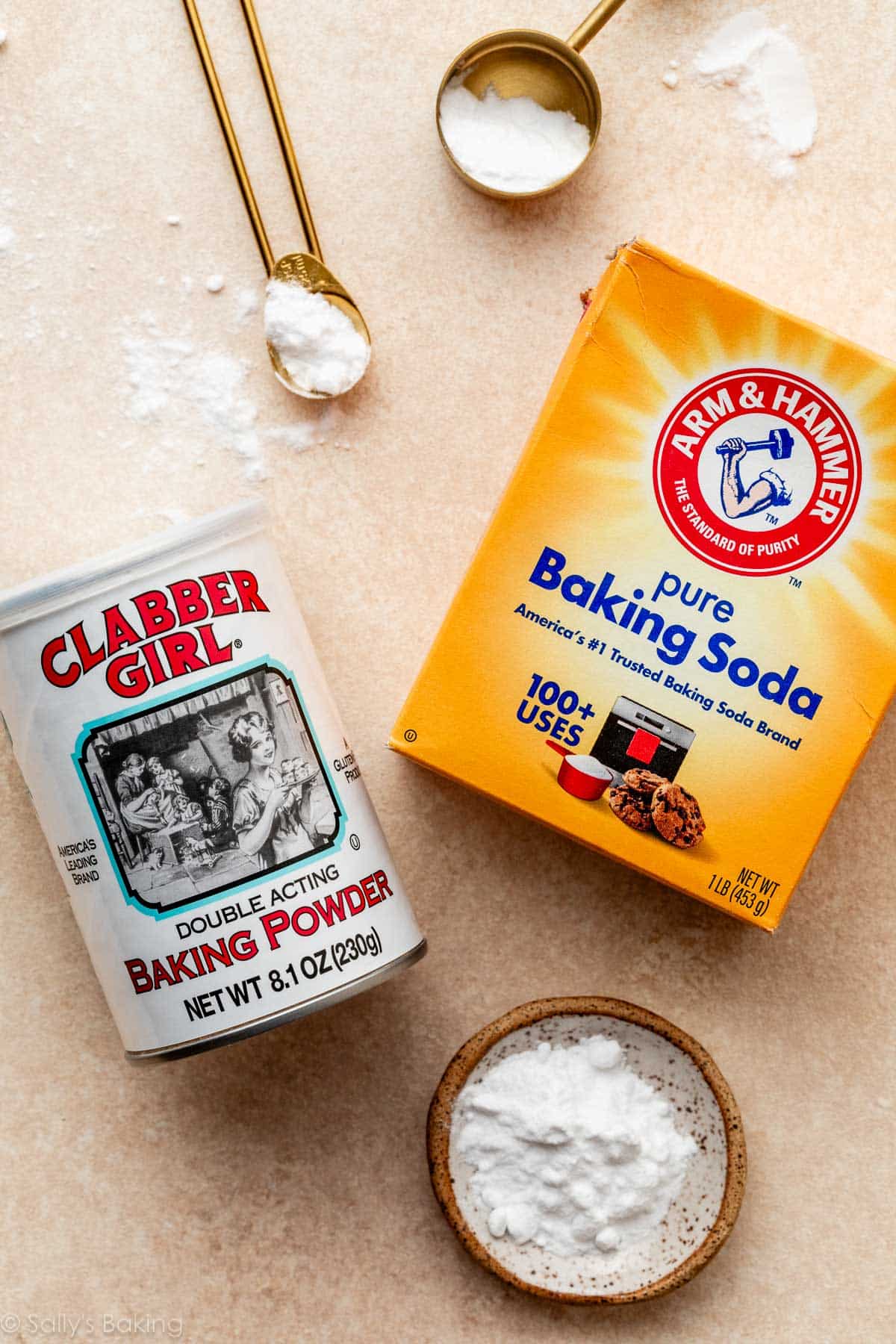
Baking Soda vs. Baking Powder: The Essential Differences
The world of baking can sometimes feel like a delicate science experiment, where precision and understanding of ingredients are paramount. Among the most common sources of confusion for budding and even experienced bakers alike is the perennial question: Is baking soda and baking powder the same? The simple answer is a resounding no, but understanding their distinct roles and how they interact within your recipes is key to achieving perfectly risen, delightfully textured baked goods.
While both are indispensable chemical leavening agents designed to add lift and lightness, mistaking one for the other can lead to disastrous results – from dense, flat cakes to bitter, metallic-tasting cookies. This comprehensive guide will demystify these pantry staples, helping you confidently choose the right leavener for every baking adventure.
Understanding Leavening Agents: The Heart of Fluffy Bakes
Before diving into the specifics of baking soda and baking powder, it's crucial to grasp the concept of a leavening agent. In essence, a leavener is any substance that helps dough or batter rise, increasing its volume and creating a lighter, airier texture. This "lift" is achieved by introducing gases into the mixture, which then expand when heated during baking. These trapped gas bubbles give bread its airy crumb, cakes their tender structure, and cookies their delightful chew.
Leavening agents can be biological (like yeast), mechanical (like whipped egg whites), or chemical. Baking soda and baking powder fall into the chemical leavening category. They work by triggering chemical reactions that release carbon dioxide gas. This gas gets trapped within the matrix of your dough or batter, pushing it upwards and preventing it from becoming a heavy, unappetizing brick. Without effective leavening, your baked goods would be dense, hard, and far less enjoyable.
Baking Soda: The Powerful Alkali
At its core, baking soda is a single chemical compound: sodium bicarbonate. It's a pure alkali (a base) that is highly potent and reacts vigorously when it comes into contact with an acidic ingredient and a liquid. This reaction instantly produces carbon dioxide gas bubbles, providing a rapid burst of lift to your baked goods.
How Baking Soda Works
For baking soda to be effective, a recipe must contain an acidic component. Without acid, the sodium bicarbonate won't activate properly, leading to a host of problems:
- Poor Leavening: Your baked goods will remain dense and heavy, lacking the desired volume and tenderness.
- Metallic Aftertaste: Unreacted baking soda can leave an unpleasant, soapy, or metallic flavor in your mouth, which can ruin an otherwise delicious treat.
Common acidic ingredients found in baking recipes include:
- Buttermilk
- Yogurt
- Sour cream
- Lemon juice or vinegar
- Molasses
- Brown sugar
- Honey
- Natural cocoa powder (not Dutch-processed, which is alkalized)
- Cream of tartar
- Melted chocolate
Because of its powerful and immediate reaction, recipes often call for much smaller quantities of baking soda compared to baking powder – it's typically 3-4 times stronger. This potency also means that once mixed with liquid and acid, you need to get your batter into the oven quickly to capture the maximum leavening effect.
Beyond the kitchen, baking soda is a household superstar. Its alkaline properties make it an excellent natural cleaner, deodorizer, and even a mild abrasive. It can be found in remedies for heartburn, teeth whitening products, and as a laundry booster, showcasing its incredible versatility.
Pro Tip: Testing Baking Soda Freshness
To ensure your baking soda is still active, mix a teaspoon of it with a tablespoon of vinegar or lemon juice. If it immediately fizzes vigorously, it's good to go! If the reaction is weak or non-existent, it's time for a fresh box.
Baking Powder: The Self-Contained Leavener
Unlike its solo counterpart, baking powder is a complete leavening system in itself. It's a precisely formulated blend of three key ingredients:
- Baking Soda (sodium bicarbonate): The alkaline base.
- One or more dry acids: Typically cream of tartar or sodium aluminum sulfate, which react with the baking soda.
- A starch (like cornstarch): This acts as a buffer to absorb moisture, prevent premature reactions, and improve shelf life.
How Baking Powder Works
Because it contains its own acid, baking powder doesn't rely on additional acidic ingredients in your recipe. It's designed to provide lift without the need for buttermilk or vinegar. Most baking powders sold today are "double-acting," meaning they provide two stages of leavening:
- First Reaction (with liquid): A portion of the acid reacts with the baking soda as soon as it's mixed with liquid in the batter, producing an initial burst of carbon dioxide gas.
- Second Reaction (with heat): The remaining acid (often a heat-activated acid) reacts with the baking soda once the batter is exposed to the heat of the oven, providing a second, sustained lift during baking.
This double-action makes baking powder very forgiving, allowing for a little more time between mixing the batter and getting it into the oven, making it a favorite for many bakers. Recipes that call for baking powder often have neutral-pH ingredients, such as milk, water, or oil, that wouldn't activate baking soda on their own.
Pro Tip: Testing Baking Powder Freshness
To check if your baking powder is still active, mix a teaspoon of it with a tablespoon of hot water. If it fizzes immediately and vigorously, it's fresh. If there's little to no reaction, it's lost its potency.
When to Use Which: A Baker's Dilemma Solved
The fundamental difference comes down to one thing: acid. Baking soda requires an acid to react, while baking powder contains its own acid and only needs liquid and/or heat. Knowing this distinction is your superpower in the kitchen.
- Choose Baking Soda when:
- Your recipe includes significant acidic ingredients (buttermilk, yogurt, sour cream, lemon juice, brown sugar, molasses, natural cocoa powder).
- You want a quicker, more intense initial rise.
- You need to neutralize the acidity of certain ingredients, contributing to both texture and flavor balance.
- Choose Baking Powder when:
- Your recipe has no strong acidic components (e.g., recipes relying on milk, water, or eggs as the primary liquid).
- You desire a more gradual and sustained rise (especially with double-acting powder).
- You're baking something that doesn't need its acidity balanced, like standard white cakes or quick breads.
Sometimes, a recipe will call for both baking soda and baking powder. This isn't a mistake; it's a strategic move! The baking soda will react with an acidic ingredient to neutralize its flavor and provide an initial lift, while the baking powder will contribute additional, sustained leavening, ensuring a light and airy final product without an overwhelming acidic or metallic taste.
For a deeper dive into specific recipes and scenarios where one or both are preferred, check out our guide on Master Your Bakes: When to Use Baking Soda or Baking Powder. To further explore the fascinating chemistry behind these ingredients, read The Science of Lift: How Baking Soda & Powder Leaven Bakes.
The Impact of Misuse
Understanding the "why" behind using each leavener helps prevent common baking pitfalls:
- Using Baking Soda instead of Baking Powder (without additional acid): Expect a dense, flat, and likely metallic or soapy-tasting bake due to unreacted baking soda.
- Using Baking Powder instead of Baking Soda (in an acidic recipe): While you might get some lift, the baking powder might not fully neutralize the acidity of the recipe, potentially leading to a slightly different flavor profile. The lift might also be less robust than if baking soda was used to react with the present acid.
- Too Much Baking Soda: A bitter, soapy taste and often a yellowish or greenish tint in your baked goods.
- Too Much Baking Powder: Can cause your cake or muffins to rise rapidly and then collapse, creating a coarse or crumbly texture and an unpleasant chemical taste.
Conclusion
The answer to "Is baking soda and baking powder the same?" is unequivocally no, but now you understand precisely why. While both are chemical leavening agents essential for achieving light, airy, and delicious baked goods, their distinct compositions and activation mechanisms mean they are not interchangeable. Baking soda is a pure alkali that requires an external acid, while baking powder is a self-contained system with its own acid. Mastering this fundamental difference empowers you to make informed decisions in the kitchen, ensuring your culinary creations consistently reach new heights of perfection. Happy baking!